


Autumn Skincare & Wellness Essentials
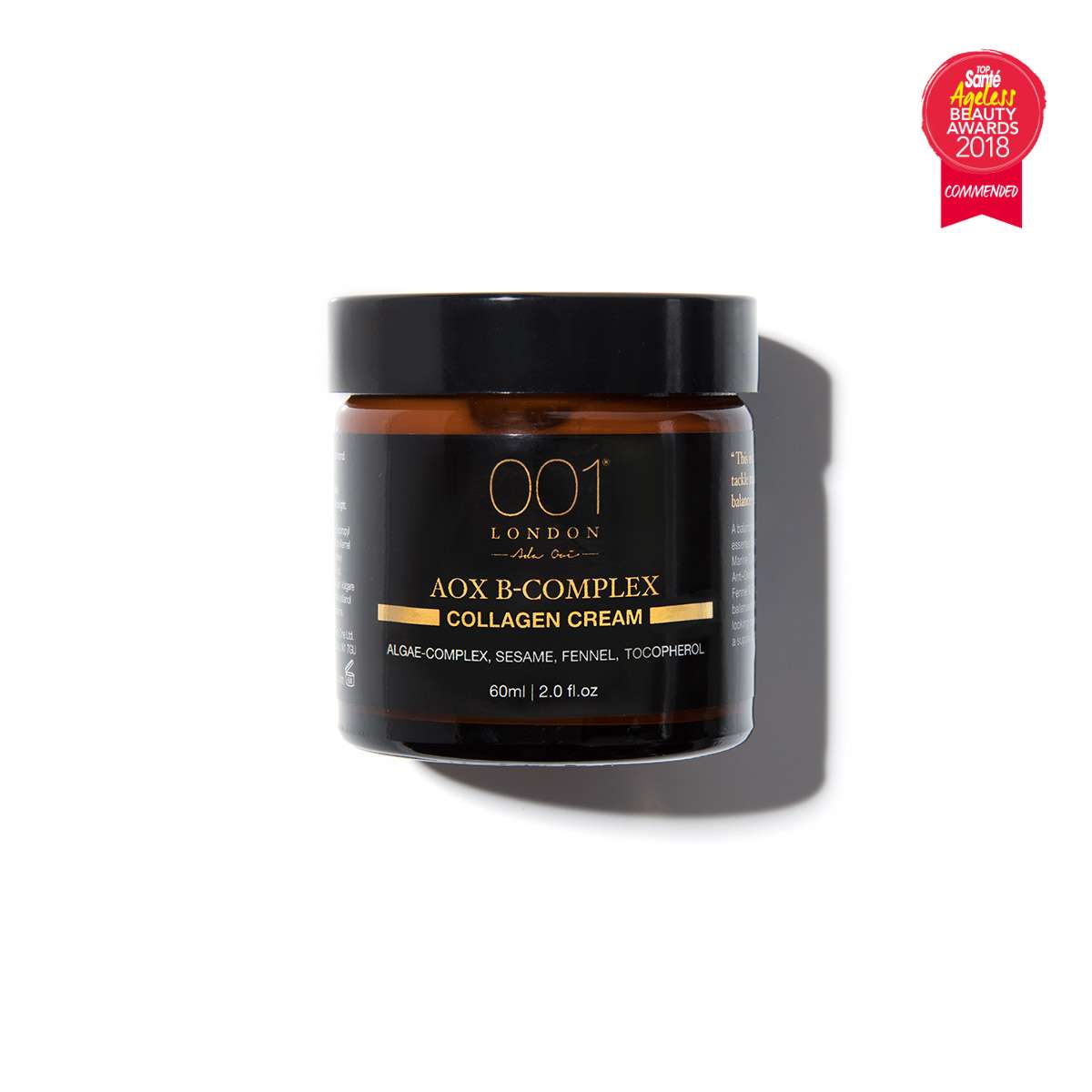
AOX B-COMPLEX COLLAGEN CREAM
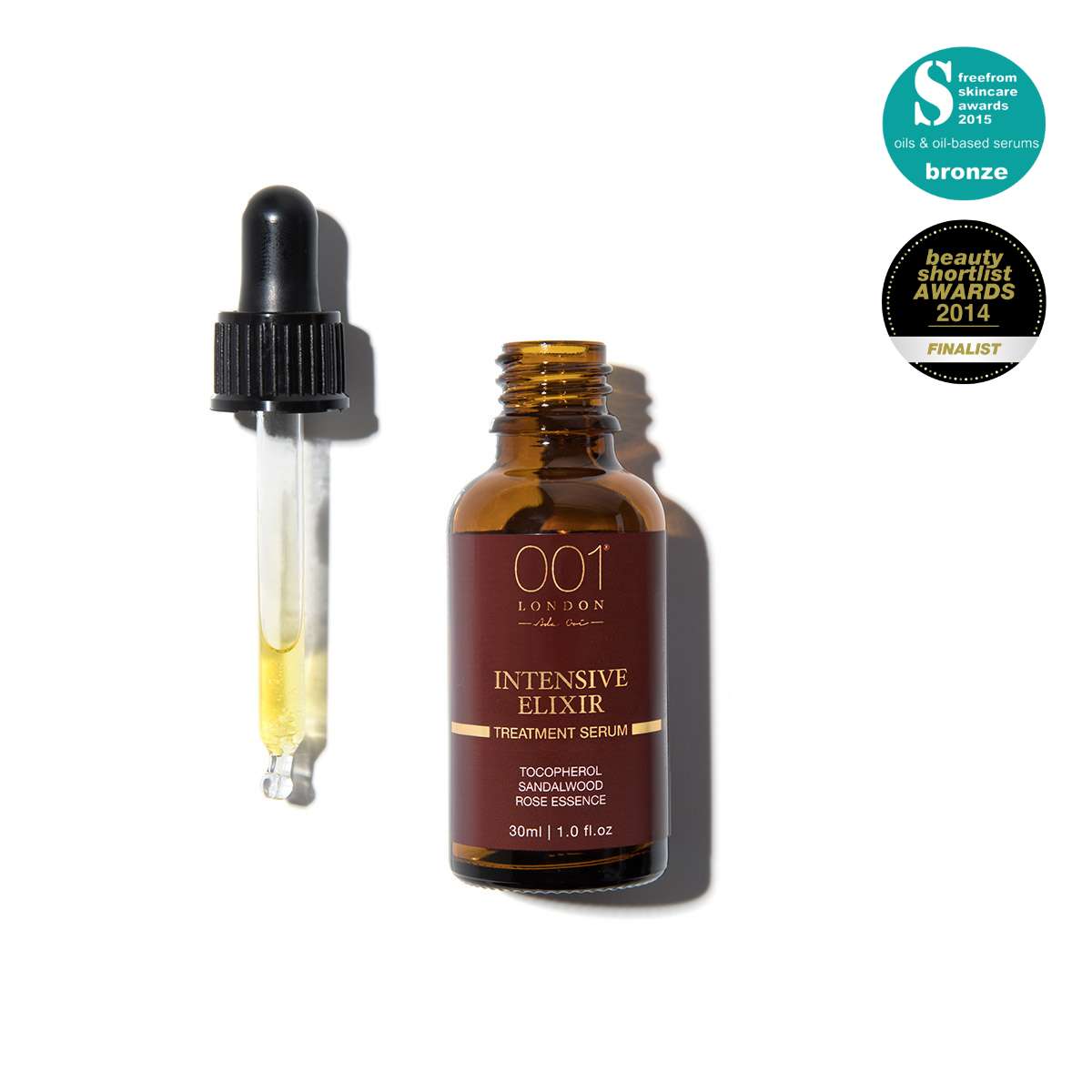
INTENSIVE ELIXIR TREATMENT SERUM
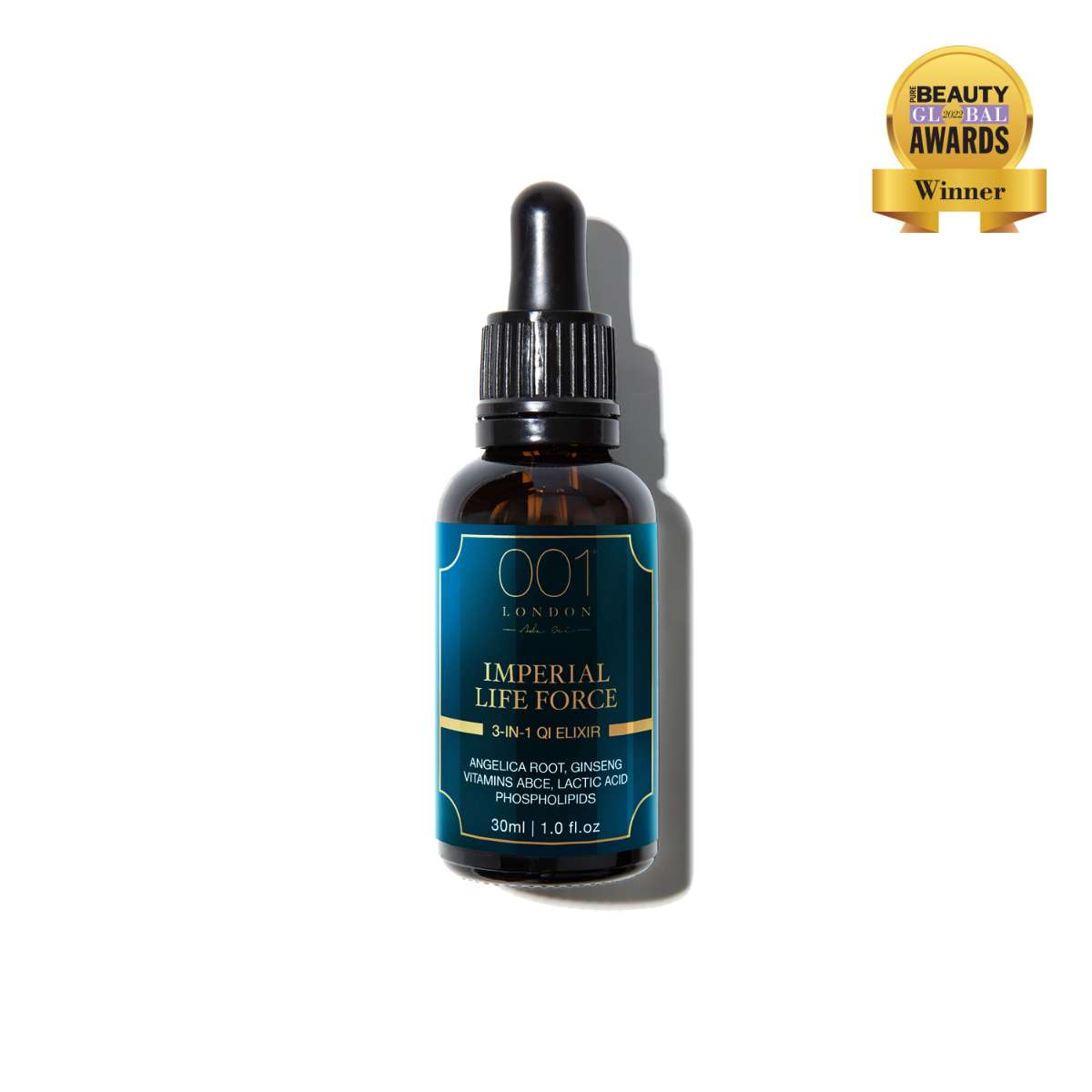
IMPERIAL LIFE FORCE 3-IN-1 QI ELIXIR
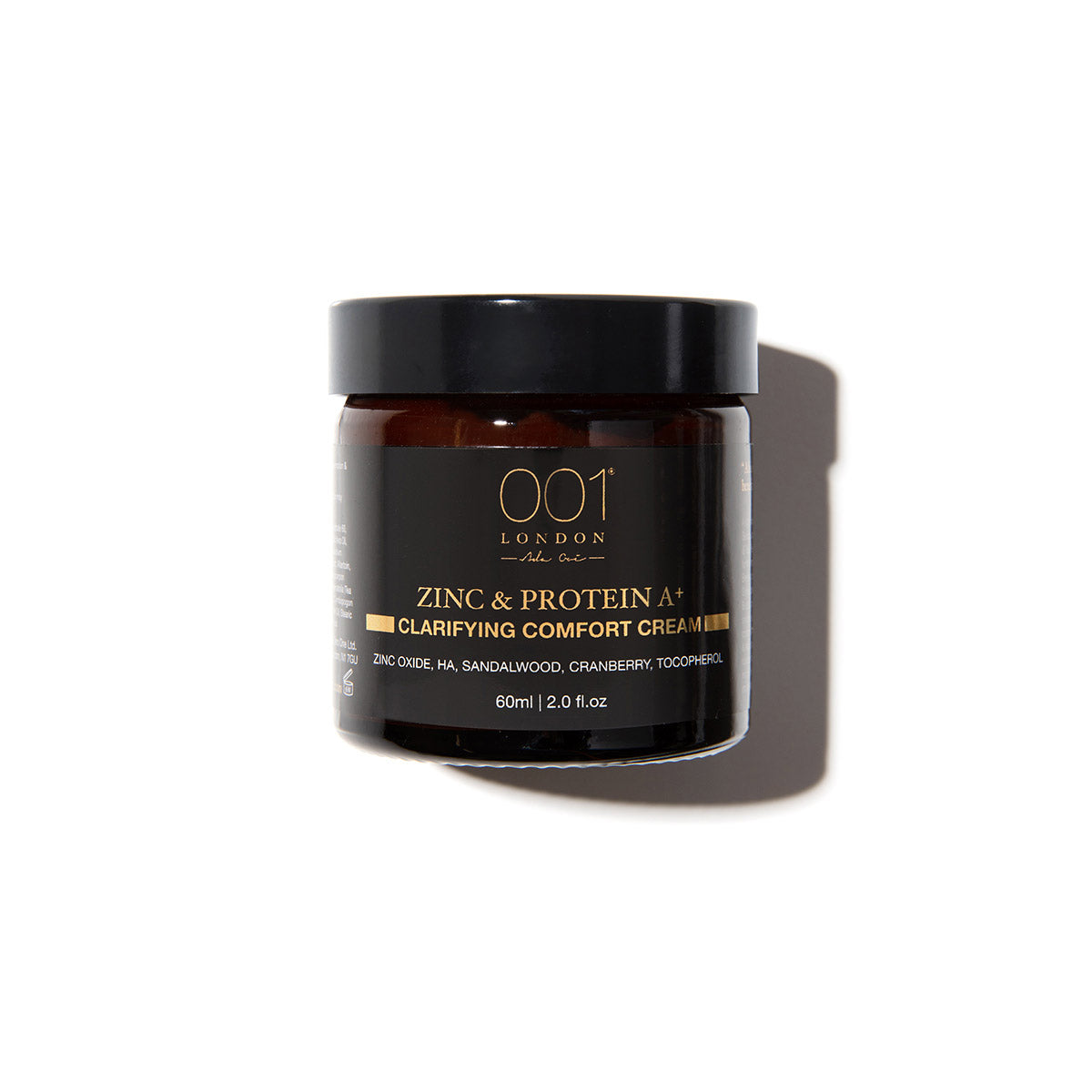
ZINC & PROTEIN A+ CLARIFYING COMFORT CREAM


ACU-STUDS®
Shop By Concern
Solutions for every skin type and concern
Featured in



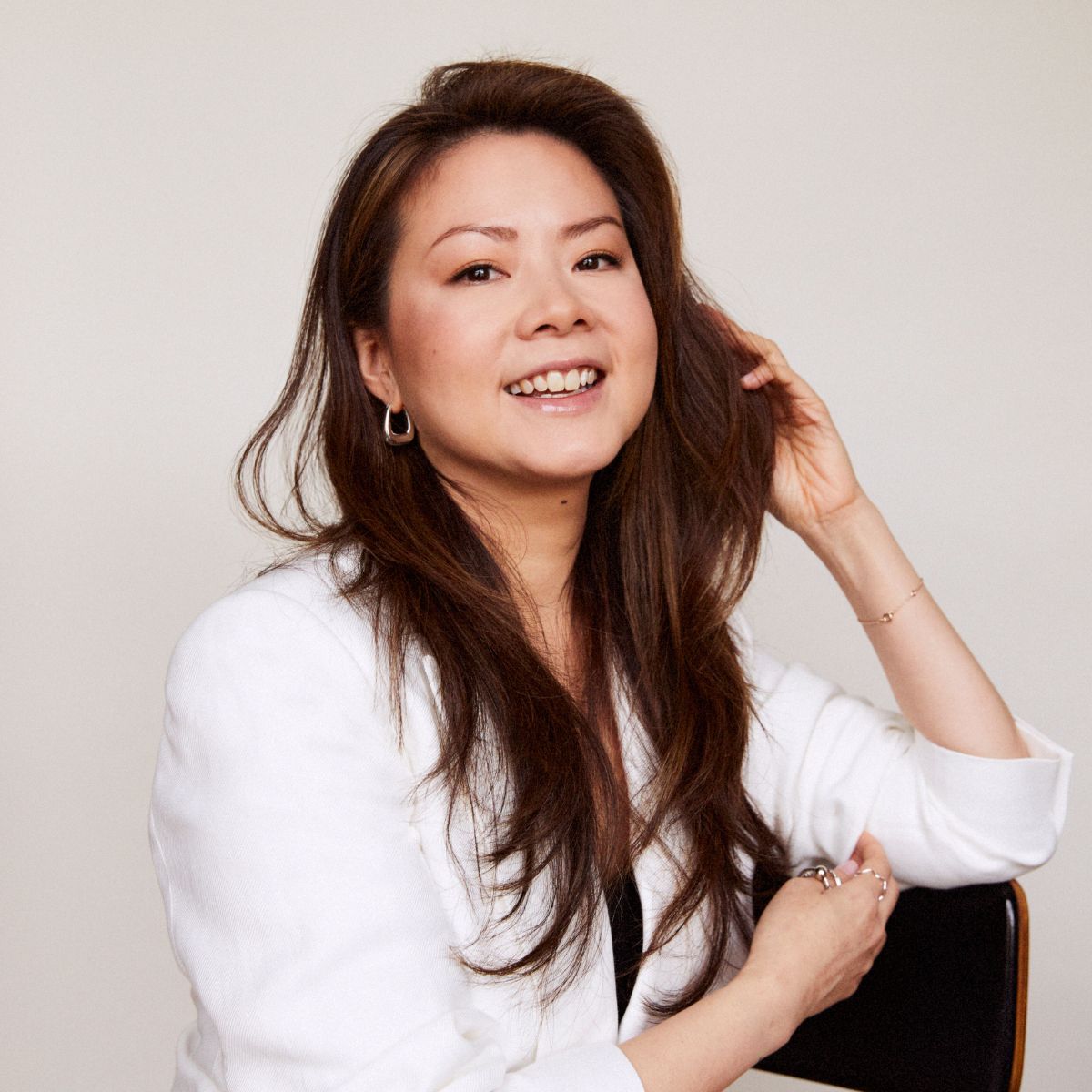
Our Founder
Ada Ooi
Ada's work sits at the forefront of integrative health, combining Traditional Chinese Medicine and neuropsychology to address systemic health, the nervous system and skin as one integrated system. Ada's approach focuses on restoring underlying function through precise, individualised treatment, with particular expertise in fertility, autoimmune chronic skin conditions. This same clinical methodology underpins both of our clinic treatments and daily-use formulations, extending a system-led approach to health into everyday life.

Our Clinic
Rooted in Traditional Chinese Medicine and informed by clinical science, we take a systems-led approach to restore underlying function, regulation and long term resilience. Individuals come to us at different stages, from diagnosed or unresolved conditions to more subtle imbalances, with care delivered by a team of experts working within a shared clinical framework to ensure precision and depth. Whether addressing fertility and hormonal health, musculoskeletal pain, chronic skin conditions or nervous system regulation, treatment focuses on restoring resilience at the root to support stable, lasting outcomes.For ongoing, complex or unresolved concerns, a consultation is recommended.
Expert Advice

How Traditional Chinese Medicine Supports Healthy Ageing
Ageing is a natural part of life, but how we understand it can shape our approach to long-term wellbeing. Traditional Chinese Medicine (TCM) offers a distinctive perspective on healthy ageing, exploring the relationship between constitution, vitality and balance throughout life. Rather than focusing solely on visible signs of ageing, Chinese medicine considers broader patterns of wellbeing. Concepts such as Jing, Qi, Yin and Yang have traditionally been used to understand the body's changing needs over time. As interest in longevity and internal youth continues to grow, these principles offer another perspective on what it means to age well. How Does Traditional Chinese Medicine Understand Ageing? In Traditional Chinese Medicine, ageing is understood as a natural progression influenced by a person's constitution and changing needs throughout life. Three central concepts help explain this traditional perspective: Jing, associated with essence and development; Qi, relating to activity and function; and Yin and Yang, which describe complementary qualities of balance and change. Together, they form part of a traditional framework that practitioners use to interpret individual patterns of health and wellbeing. This differs from modern ageing research, which investigates biological processes such as genetics, cellular changes and inflammation. Jing: The Traditional Concept of Vital Essence Jing, often translated as essence, is a fundamental concept in Traditional Chinese Medicine associated with growth, development and ageing. TCM traditionally distinguishes between pre-heaven Jing, associated with inherited constitution, linked to nourishment and resources acquired throughout life. These concepts reflect a traditional understanding of how constitution and life experiences contribute to overall wellbeing. Jing is sometimes described as a reserve that changes throughout life, although it is important to recognise that this is a traditional concept rather than a scientifically established biological substance. In the context of healthy ageing, Jing provides a framework for considering constitution and the body's changing needs over time. Qi: Understanding Vitality as We Age Qi is another central concept in Chinese medicine, commonly translated as energy or vital function. Within TCM theory, it describes aspects of activity, movement and function throughout the body. Practitioners may consider patterns such as Qi deficiency or Qi stagnation when assessing an individual's health. These are traditional diagnostic concepts rather than conventional medical diagnoses. When discussing ageing, Qi forms part of a broader perspective on vitality and the relationship between activity, rest and individual wellbeing. To explore this concept further, read our guide [What Is Qi? Understanding Energy, Balance and Traditional Chinese Medicine]. Yin and Yang: The Role of Balance in Healthy Ageing Yin and Yang are complementary concepts used in Traditional Chinese Medicine to understand balance and change. Yin is traditionally associated with qualities such as cooling, nourishment and stillness, while Yang is associated with warmth, activity and movement. Neither is considered better than the other; their relationship is central to TCM theory. As the body changes with age, practitioners may consider patterns relating to Yin, Yang or both as part of an individualised assessment. These concepts offer a traditional perspective on changing needs throughout life, but they should not be treated as direct equivalents of hormones, metabolism or other specific biological processes. What Is Internal Youth in Traditional Chinese Medicine? Internal youth offers a broader way to think about ageing beyond outward appearance. In beauty and wellness, ageing is often discussed through visible changes such as fine lines, pigmentation and skin texture. Traditional Chinese Medicine takes a wider perspective, considering constitution, vitality and balance alongside an individual's overall wellbeing. How Can Acupuncture Fit Into a TCM Approach to Wellbeing? Acupuncture is one of the best-known practices associated with Traditional Chinese Medicine. It involves inserting fine needles at specific points on the body and has been studied for a range of health concerns, including certain types of pain. Within a TCM approach, treatment is guided by an individual's presentation and needs rather than a single approach for everyone. Depending on the practitioner and the individual, other methods may include therapeutic bodywork, Chinese herbal medicine or lifestyle guidance. Although acupuncture has evidence supporting certain applications, this does not establish that it slows biological ageing or extends lifespan. Evidence varies according to the condition being treated, and Chinese herbal medicine requires appropriate professional guidance because of potential side effects and interactions with medication. Understanding the distinction between traditional principles and modern scientific evidence is important when exploring Chinese medicine and healthy ageing. Frequently Asked Questions About TCM and Healthy Ageing Can Traditional Chinese Medicine slow ageing? Traditional Chinese Medicine offers a framework for understanding ageing and wellbeing, but it has not been established as a way to reverse biological ageing or extend lifespan. Evidence varies depending on the treatment and condition being investigated. What is Jing in Chinese medicine? Jing is a traditional TCM concept associated with constitution, growth, development and ageing. It is often translated as essence but is not a scientifically established biological substance. Can acupuncture improve longevity? Acupuncture has been studied for specific health concerns, including certain types of pain. However, this does not establish that it extends lifespan or slows the biological ageing process. Explore Acupuncture at 001 London Discover acupuncture at 001 London, where the principles of Traditional Chinese Medicine meet an individualised approach to wellbeing. Whether you are exploring acupuncture for the first time or learning more about TCM, our team can help you understand the treatments available. [Book an acupuncture treatment or appointment] to explore the approach that may be right for you.
Learn more
The Science of Longevity: Daily Habits That Support Healthy Ageing
Explore the science of longevity and healthy ageing, from sleep and nutrition to movement, stress management and skincare habits that support long-term wellbeing.
Learn more
What Is Qi? Understanding Energy, Balance and Traditional Chinese Medicine
Learn what Qi means in Traditional Chinese Medicine, how it relates to energy and balance, and what Qi deficiency and Qi stagnation mean for wellbeing.
Learn more